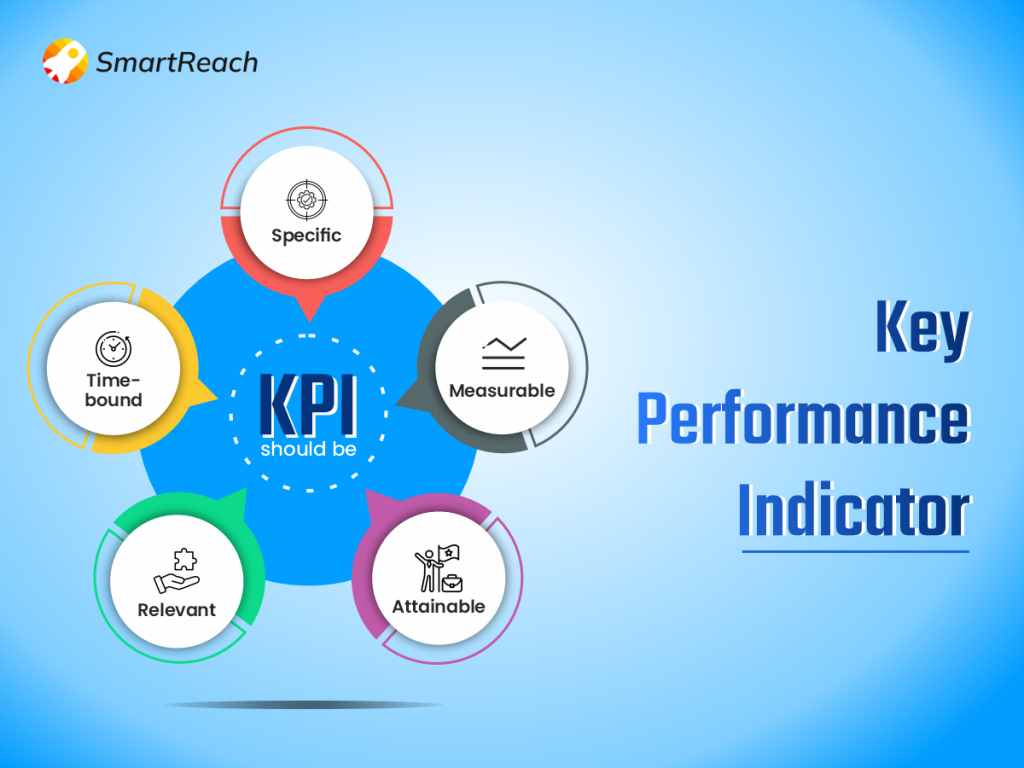
In today’s competitive business environment, it is crucial to clearly define and align Key Performance Indicators (KPIs) with an organization’s business goals to achieve success. KPIs are quantifiable values that show how effectively a company meets its key business objectives. They act as a guide for organizations, offering clear indicators of progress and identifying areas that require improvement.
Why Aligning KPIs with Business Goals Matters
- Strategic Focus: KPIs ensure that all efforts within an organization are directed towards common objectives. By aligning KPIs with business goals, companies can create a unified strategy where every department and team works together. This alignment eliminates ambiguity and fosters a sense of purpose and direction among employees.
- Performance Measurement: KPIs provide a clear and quantifiable way to measure performance. This measurement is crucial for understanding whether an organization’s strategies and initiatives are effective. Regularly tracking KPIs allows businesses to make data-driven decisions, optimize processes, and achieve better outcomes.
- Employee Engagement: Employees who understand how their work contributes to the broader business goals are more likely to be engaged and motivated. KPIs connect individual and team performance to the organization’s success, creating a culture of accountability and achievement. This connection helps employees see the impact of their work, fostering a sense of ownership and pride.
- Resource Allocation: Properly defined KPIs help organizations allocate resources more effectively. By identifying key areas that drive business success, companies can ensure that time, money, and efforts are invested where they will yield the highest returns. This strategic allocation of resources leads to more efficient operations and better financial performance.
- Continuous Improvement: KPIs facilitate a culture of constant improvement. By regularly reviewing performance against KPIs, organizations can identify trends, uncover inefficiencies, and implement improvement changes. This ongoing process of evaluation and adjustment is crucial for staying competitive and responsive in a dynamic market.
Examples of KPIs in Action
- Sales and Revenue KPIs: For a company focused on increasing sales, relevant key performance indicators (KPIs) might include monthly sales growth, average purchase value, and customer acquisition costs. By tracking these metrics, the company can assess the effectiveness of its sales strategies and make any necessary adjustments to drive revenue growth.
- Customer Satisfaction KPIs: A business that wants to improve customer experience may concentrate on key performance indicators (KPIs) such as Net Promoter Score (NPS), customer retention rate, or average response time to customer inquiries. These KPIs offer valuable information about customer satisfaction levels and assist the company in enhancing its service delivery.
- Operational Efficiency KPIs: Manufacturing companies often use KPIs like production efficiency, defect rates, and equipment downtime to monitor and enhance operational performance. These metrics help identify bottlenecks and areas for improvement, ensuring smooth and efficient production processes.
- Digital Marketing KPIs: For digital marketing teams, KPIs such as website traffic, conversion rates, and cost per lead are critical. These indicators measure the effectiveness of online marketing campaigns and guide marketers in optimizing their strategies for better engagement and ROI.
Implementing Effective KPIs
To effectively implement KPIs, organizations should follow these steps:
- Define Clear Business Goals: Start by clearly defining the overarching business goals. These goals should be specific, measurable, achievable, relevant, and time-bound (SMART).
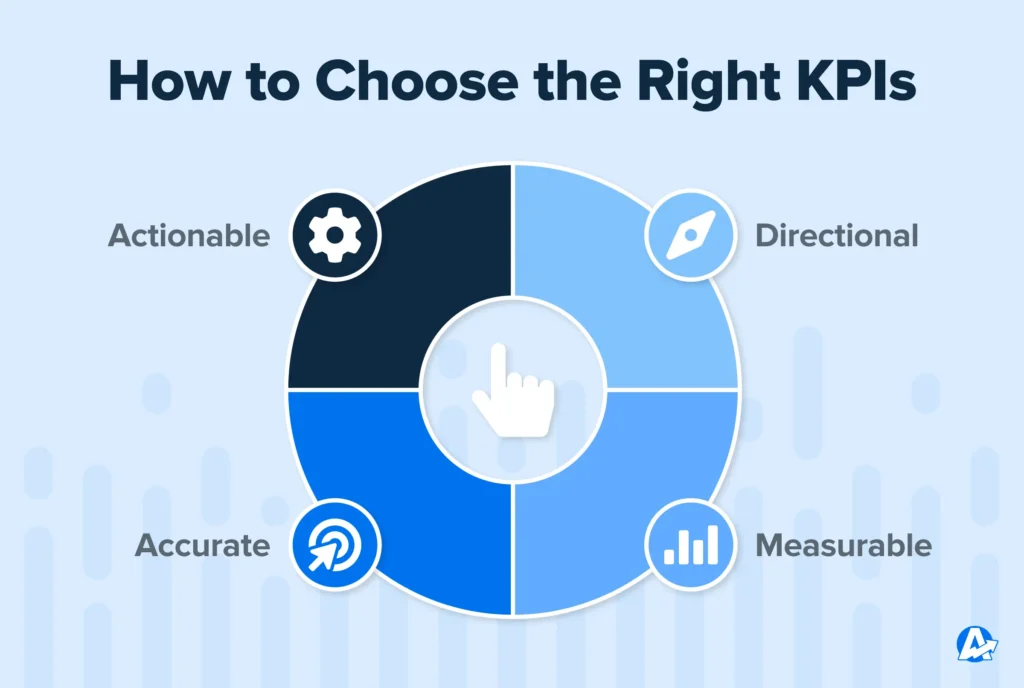
- Identify Relevant KPIs: Choose KPIs that directly relate to the business goals. Ensure these KPIs are measurable and can provide actionable insights.
- Communicate and Educate: Communicate the importance of KPIs to all employees and how their roles contribute to achieving these KPIs. This step is vital for gaining buy-in and fostering a culture of accountability.
- Regular Monitoring and Reporting: Establish a system for monitoring and reporting KPIs. Use dashboards and reports to visualize performance and track progress over time.
- Review and Adjust: Review the KPIs and the progress toward business goals. Be prepared to adjust strategies and KPIs as necessary to stay aligned with the organization’s evolving needs and market conditions.
In conclusion, defining and aligning KPIs with business goals is crucial for driving organizational success. KPIs provide a clear framework for measuring performance, engaging employees, allocating resources, and fostering continuous improvement. Businesses can confidently and clearly achieve their strategic objectives by implementing effective KPIs.
For more on the importance of KPIs, consider the insights shared by MarshBerry on how KPIs impact employee performance and organizational success.
References:
Discover thousands of collaborative articles on 2500+ skills. (n.d.). https://www.linkedin.com/pulse/importance-aligning-kpis-your-business-strategy-how-d
Analytics, P. (2022, September 6). Importance of Aligning KPIs to your Business Strategy and How to define them! https://www.linkedin.com/pulse/importance-aligning-kpis-your-business-strategy-how-define-
Wishart, J. (2024, May 7). Why are KPIs Important? The Importance of KPIs. rhythmsystems. https://www.rhythmsystems.com/blog/5-reasons-why-you-need-kpis-infographic