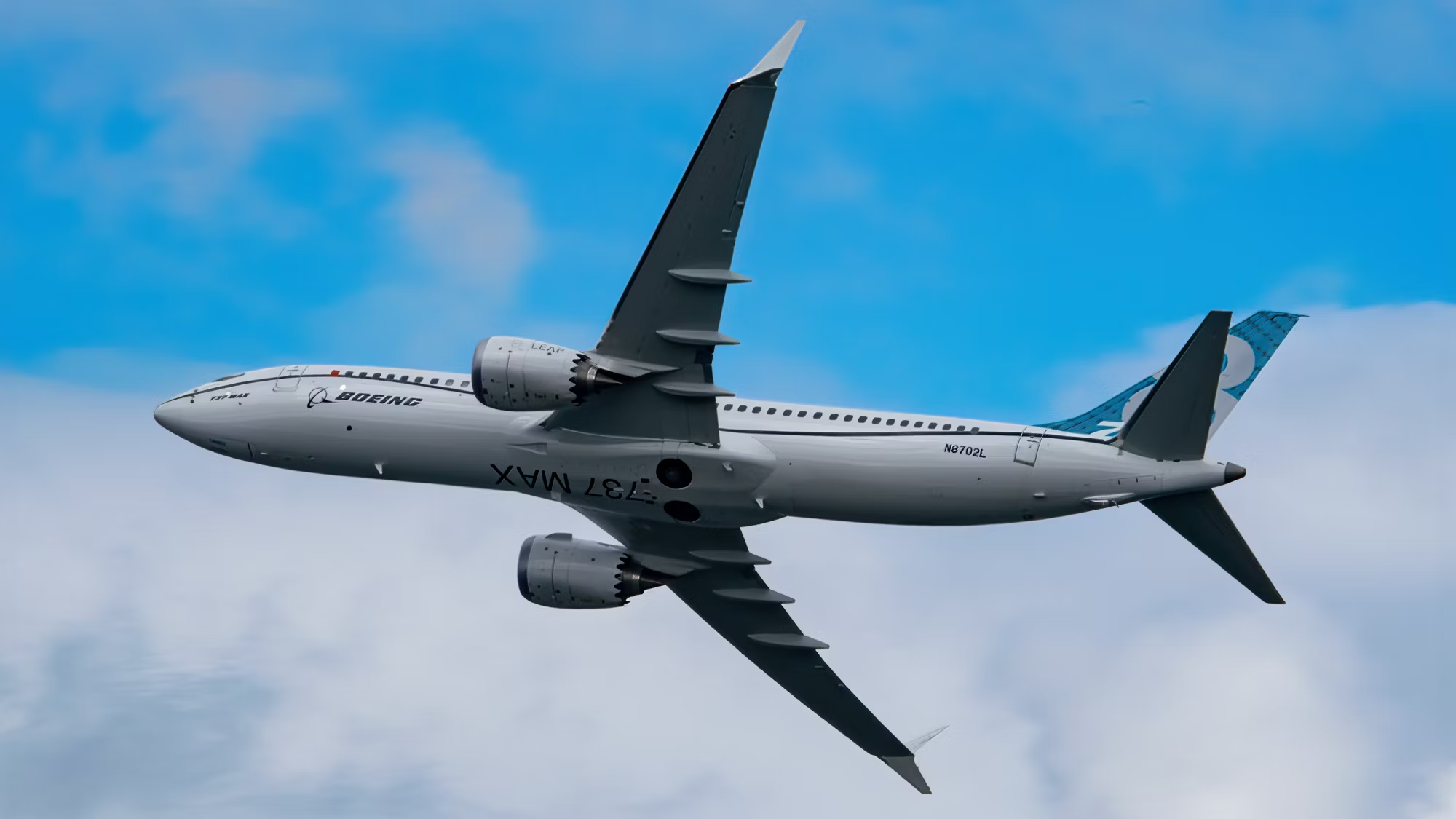
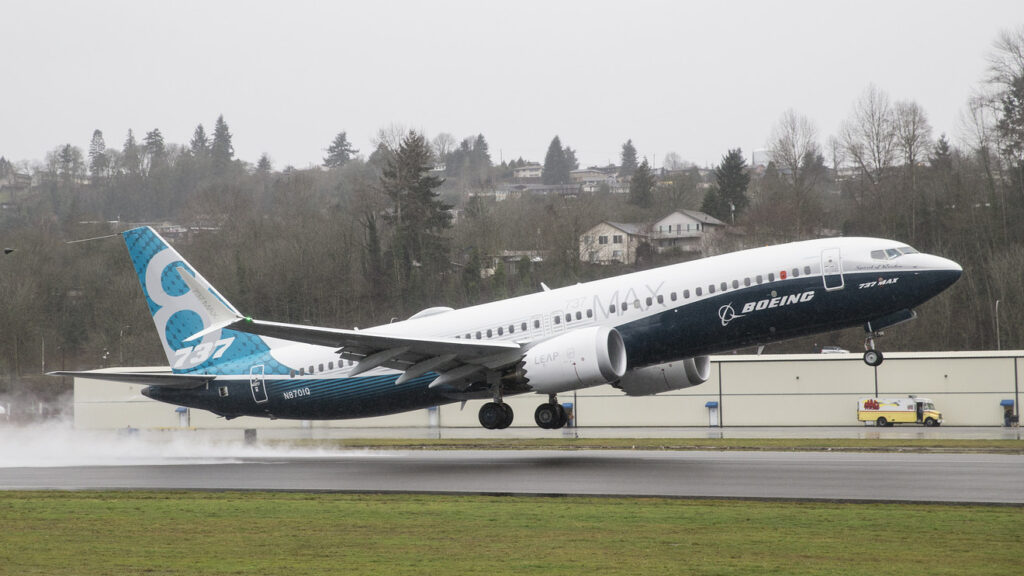
One recent example of a brand facing significant ethical and legal issues is Boeing with its 737 Max aircraft. The grounding of the 737 Max fleet following two fatal crashes in 2018 and 2019 raised serious concerns about the company’s safety practices and transparency (U.S. Department of Justice, 2021). This blog post examines how these issues influenced consumer perceptions of Boeing, impacted their engagement with the brand, and what the ultimate implications were for the company. Additionally, recommendations for what Boeing should have done differently are provided.
Ethical Position Communication
Boeing communicates its ethical stance through its mission statement, guiding principles, and code of conduct, which are available on its corporate website. While these platforms are generally effective for accessibility, the scandal revealed a significant gap between stated ethics and actual practices.
Ethical and Legal Challenges
Boeing’s main challenge was the failure to disclose critical safety information about the 737 Max’s Maneuvering Characteristics Augmentation System (MCAS) to regulators and airlines. This issue emerged when Boeing was in a mature phase of its brand life cycle, significantly damaging its reputation, leading to billions in financial losses, and eroding public trust in its commitment to safety (Herkert et al., 2020).
Impact on Consumer Perceptions and Engagement
The ethical and legal issues surrounding the 737 Max profoundly impacted consumer perceptions of Boeing. Trust in the brand plummeted as the public became aware of the company’s failure to prioritize safety. This erosion of trust led to decreased consumer engagement, as both airlines and passengers became wary of flying on Boeing aircraft.
- Reputation Damage: The crashes and subsequent investigations revealed significant flaws in Boeing’s safety culture, leading to widespread criticism and loss of confidence among consumers and industry stakeholders.
- Financial Implications: The grounding of the 737 Max fleet resulted in substantial financial losses, including compensation to airlines, legal settlements, and a decline in stock value.
Ultimate Implications for the Brand
The ultimate implications for Boeing were severe. The company faced numerous lawsuits, regulatory fines, and a prolonged period of negative publicity. The financial impact was significant, with billions in losses and a tarnished reputation that would take years to rebuild. Furthermore, the crisis led to leadership changes and a reevaluation of Boeing’s safety and corporate governance practices.
Recommendations
Preventive Measures
- Enhanced Safety Audits: Implement more rigorous safety audits and compliance checks to ensure all safety features and updates are properly evaluated and disclosed.
- Whistleblower Protections: Establish a robust whistleblower policy to encourage employees to report safety concerns without fear of retaliation.
Recovery Strategies
- Public Apology and Transparency: Respond quickly with a sincere apology, full disclosure of what went wrong, and steps taken to correct the issues to regain trust.
- Commitment to Safety: Invest heavily in safety improvements and communicate these changes transparently to demonstrate a renewed commitment to safety.
- Corporate Governance Reforms: Create a safety oversight committee or appoint a Chief Safety Officer to ensure long-term adherence to safety standards and ethical practices (Eaton, 2024).
Boeing’s failure to align its practices with its stated ethical positions emphasizes the significance of a sincere corporate conscience. The 737 Max crisis demonstrates the critical nature of companies prioritizing safety and transparency, particularly in industries where consumer trust is crucial. Through the implementation of more rigorous safety audits, protection of whistleblowers, and a commitment to transparency and safety, Boeing could have lessened the impact of this crisis and restored trust with consumers.
References
- Eaton, K. (2024, June 24). More turbulence for Boeing as prosecutors say the company should face criminal charges. Inc.com. https://www.inc.com/capitalone/cash-flow-management-tips-for-every-stage-of-your-growth-journey.html
- Herkert, J., Borenstein, J., & Miller, K. (2020). The Boeing 737 MAX: Lessons for Engineering Ethics. Science and Engineering Ethics, 26(6), 2957–2974. https://doi.org/10.1007/s11948-020-00252-y
- Boeing Charged with 737 Max Fraud Conspiracy and Agrees to Pay over $2.5 Billion. (2021, January 7). https://www.justice.gov/opa/pr/boeing-charged-737-max-fraud-conspiracy-and-agrees-pay-over-25-billion
- Schaper, D. (2021). Boeing’s 737 Max Problems Are Far From Over. NPR. https://www.npr.org/2021/02/23/970194351/boeings-737-max-problems-are-far-from-over
- Gelles, D. (2020). Boeing’s Board Is Facing Questions About Its Role in 737 Max Safety. The New York Times. https://www.nytimes.com/2020/01/09/business/boeing-board-737-max.html