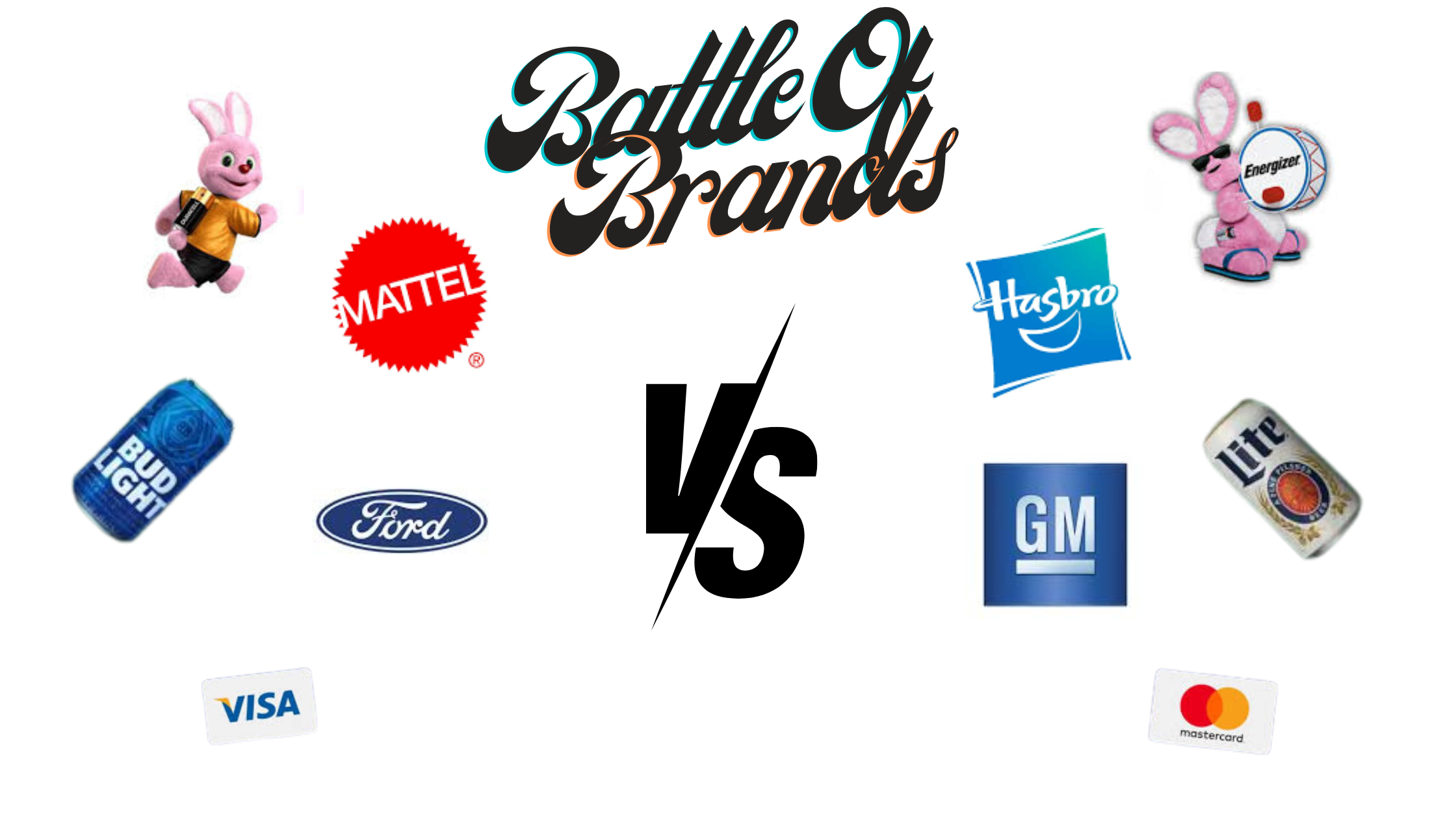
In the dynamic world of business, rivalries between top dogs and underdogs are all around us. These battles unfold across various industries, from consumer goods to technology, often showcasing contrasting brand strategies and market positioning. Today, we will explore strategies for underdogs to challenge top dogs.
Understanding Brand Strategies
In any competitive landscape, the top dog typically employs a brand strategy to maintain market leadership. This strategy often involves leveraging its strong brand recognition, extensive distribution networks, and substantial marketing budgets to solidify its position. The top dog wants to reinforce consumer loyalty, emphasizing trust, reliability, and quality in its products or services.
On the other hand, the underdog adopts a different approach. With fewer resources and market presence, the underdog often relies on disruptive tactics to find a niche and challenge the norm. The underdog’s brand strategy revolves around innovation, agility, and differentiation. By offering unique value propositions and appealing to niche markets, the underdog seeks to disrupt the industry and capture market share from incumbents.
Enhancing the Underdog’s Strategy
To surpass the competition, the underdog must refine its brand strategy.. Here are three key recommendations:
- Focus on Differentiation: The underdog should emphasize its unique strengths and value propositions to stand out in a crowded market. By identifying underserved consumer needs or market segments, the underdog can effectively tailor its offerings to address these gaps. Highlighting distinctive features, innovative technologies, or superior customer service can help the underdog differentiate itself and attract loyal customers.
- Build Strategic Partnerships: Collaborating with complementary businesses or industry influencers can amplify the underdog’s reach and credibility. Strategic partnerships enable the underdog to leverage established players’ resources, expertise, and networks, accelerating its growth process. By forming strategic partnerships with key stakeholders, smaller companies can increase brand recognition, gain access to untapped markets, and outperform competitors.
- Invest in Brand Awareness: In a competitive landscape, brand visibility is essential. The underdog should allocate resources towards strategic marketing initiatives to raise awareness and build brand equity. Leveraging digital marketing channels, social media platforms, and experiential marketing campaigns can amplify the message and engage target audiences. The underdog can build emotional connections with consumers and cultivate brand loyalty by consistently communicating its brand story, values, and unique selling propositions.
Consumer Preferences: Top Dog vs. Underdog
A variety of factors, including branding, positioning, and external elements, influence consumer preferences for the top dog versus the underdog. The top dog’s established reputation, extensive product range, and widespread availability often resonate with consumers seeking reliability and familiarity. The top dog’s sophisticated branding strategies, iconic visual elements, and consistent messaging contribute to its appeal and perceived superiority.
Personally, my preference often leans towards the underdog. I’m drawn to brands that challenge conventions, embrace innovation, and offer distinctive experiences. While the top dog may project stability and credibility, the underdog’s scrappy determination and disruptive spirit resonate with my values as a consumer. Supporting underdogs aligns with championing diversity, fostering competition, and driving industry evolution.
In conclusion, the battle between top dogs and underdogs represents the essence of competition and innovation in the marketplace. By refining their brand strategies, underdogs can effectively challenge the dominance of incumbents, drive market disruption, and ultimately emerge victorious in the eyes of consumers.
Reference:
WatchMojo.com. (2014, May 25). Top 10 business rivalries [Video]. YouTube. https://www.youtube.com/watch?v=1OE4Q60Dzyw
Future of StoryTelling. (2015, August 25). Jamie Gutfreund: Realism and Idealism: Understanding Gen Z (Future of Storytelling 2015) [Video]. YouTube. https://www.youtube.com/watch?v=ZN8akfgKXNY
Marketing Business Network. (2022, January 7). What is Demography? [Video]. YouTube. https://www.youtube.com/watch?v=ZRWfI4suaD8