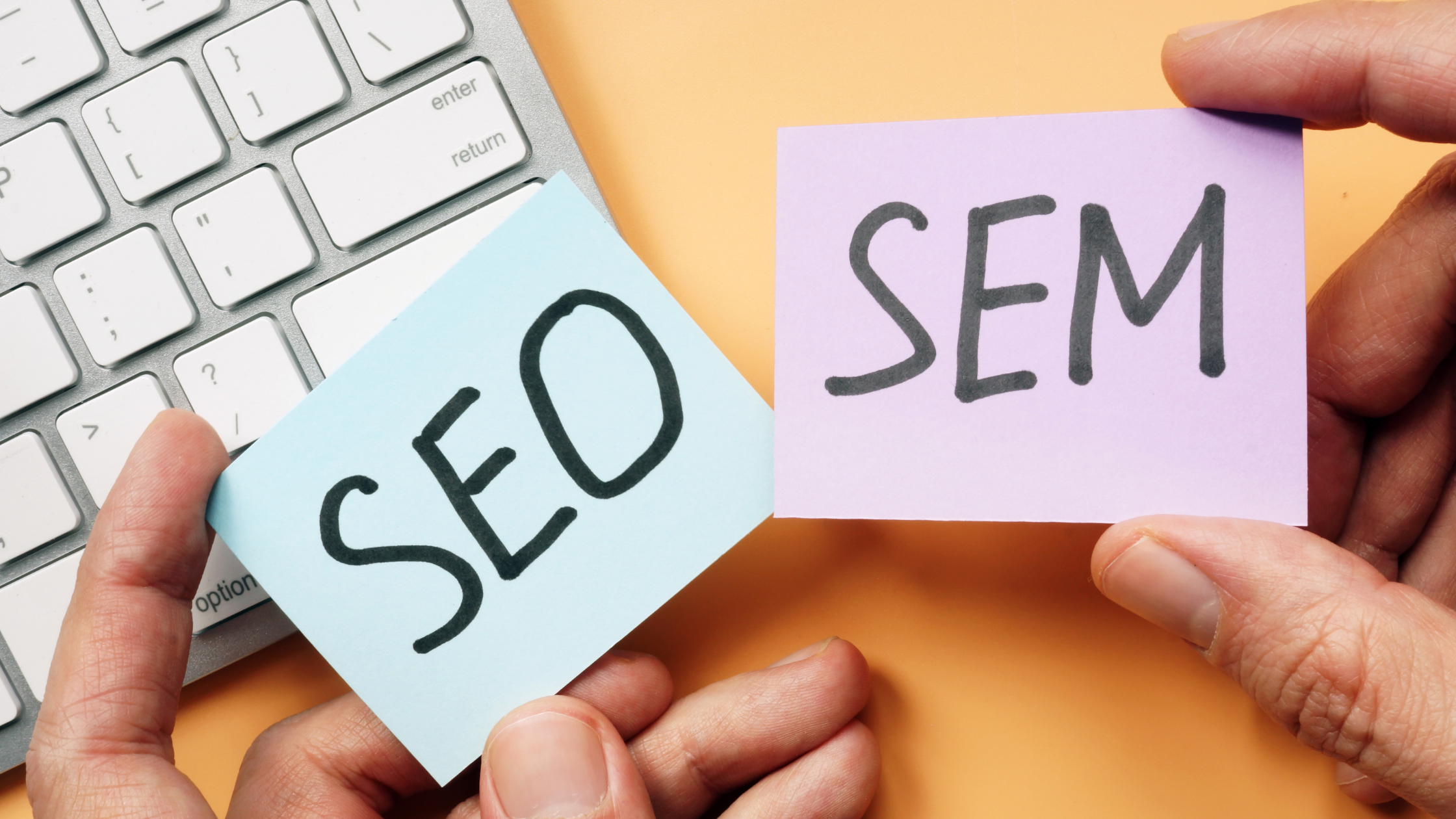
In today’s digital era, businesses are always looking for effective methods to improve their online presence and gain the attention of their target audience. Paid and organic marketing methods are among the most popular strategies used. Each marketing method has its own distinct value, and it is important to comprehend their strengths and weaknesses in order to utilize them to their full potential.

Paid Strategies
Paid strategies, as the name suggests, involve spending money to promote your business. They typically include strategies like pay-per-click (PPC) advertising, sponsored social media posts, display ads, CTV, among others.
Pros of Paid Strategies
- Speed and immediacy – Paid strategies deliver results much faster than organic strategies. As soon as your ad campaign starts, your business becomes visible to a potentially large audience.
- Targeting – With paid strategies, you can precisely target specific demographics based on age, location, interests, and more. This helps you focus your marketing efforts on the people most likely interested in your offerings.
- Scalability – If you discover a paid campaign is working well, you can increase your ad spend to reach a larger audience, making paid strategies highly scalable.
Cons of Paid Strategies
- Cost – The most significant drawback of paid strategies is the cost. Depending upon the competition and your business type, cost-per-click can be high.
- Short-term results – Paid strategies may only provide temporary results as they rely on continuous ad spend. Once the spending stops, visibility and traffic may drop significantly.
- Ad fatigue – Overexposure may lead to potential customers experiencing ad fatigue ( or high frequency), which means they may start to ignore your ads after seeing them too frequently.
Organic Strategies
Organic strategies, on the other hand, don’t involve direct costs. They include tactics like search engine optimization (SEO), content marketing, and organic social media engagement.
Pros of Organic Strategies
- Long-term results – Once you’ve established a strong organic presence, it can continue to deliver results over time.
- Credibility – Consumers who can distinguish between paid and organic search results are more likely to trust organic results and click on the content.
- Cost-effective – Organic strategies can be budget-friendly since they don’t require direct costs. But remember, they do require a significant investment in terms of time and effort.
Cons of Organic Strategies
- Time-consuming – Organic strategies often take a lot longer to yield results. It requires consistent effort to create high-quality content and optimize it for search engines, which can have a high cost involved – It’s not FREE! Like most business owners think.
- Competitive – With everyone vying for the top spot in search engine results pages (SERPs), achieving a high organic ranking can be challenging.
- Less control – Being able to stay updated and understand all Google’s updates is a must, as ranking algorithms are constantly changing and you can’t control when or how your pages will appear in organic search.
Recommendations: Striking the Balance
To effectively communicate these concepts to a client, consider the following approaches:
- Plainly explain the terms – Start by explaining what ‘organic’ and ‘paid’ strategies mean without using technical terms. Use simple analogies, such as equating organic strategies to planting a seed and nurturing it to grow, while paid strategies are like buying a fully grown plant.
- Use visual aids – Illustrate the pros and cons using infographics or charts. Visuals can significantly help in understanding complex information.
- Showcase real examples – Provide examples of businesses that have successfully used these strategies. This will make the information more tangible and relatable.
- Provide clear expectations – Make it clear that both strategies take time to produce results and require some level of commitment. Paid strategies offer quicker but generally short-term results, while organic strategies are a longer-term investment with potentially greater payoff over time, but also not completely FREE.
- Offer a balanced approach – Position the two as complementary strategies rather than opposing ones. This can help the client understand the need for a balanced marketing approach that leverages both paid and organic strategies because, nowadays, you can’t succeed without both!
Understanding the strengths and weaknesses of both paid and organic strategies can enable you to construct an effective, comprehensive marketing plan. It’s essential to remember that what works for one business may not work for another. The right mix will entirely depend on your business objectives, budget, and timeline. Having the right marketing mix is essential to reach your target audience and capitalize from it!